

ITSM Project Cost Management Template Word






Are you 18 years old or older?
Sorry, the content of this store can't be seen by a younger audience. Come back when you're older.
Managing costs is an important part of delivering successful IT service management projects. Whether you are implementing a new ITSM platform, upgrading IT infrastructure, improving service desk operations, or introducing ITIL processes, keeping project expenses under control helps ensure that work stays within the approved budget. The ITSM Project Cost Management Template provides a structured Word document to plan, manage, and monitor project costs throughout the project lifecycle. It helps IT project managers estimate the required budget, review actual expenses, manage cost changes, and maintain clear financial records. Use this template to bring more structure to IT project budgeting and support better financial control from project planning through completion.

ITSM projects often involve several cost areas, including software, infrastructure, implementation services, consulting, training, and ongoing support. Without a clear cost management approach, expenses can increase beyond the original estimates and affect project delivery.
A structured cost management process helps IT teams:
By managing project costs throughout the lifecycle, organizations can make informed financial decisions and reduce the risk of running out of funds before project work is completed.
This editable Word template provides a framework for managing the financial aspects of IT service management projects.
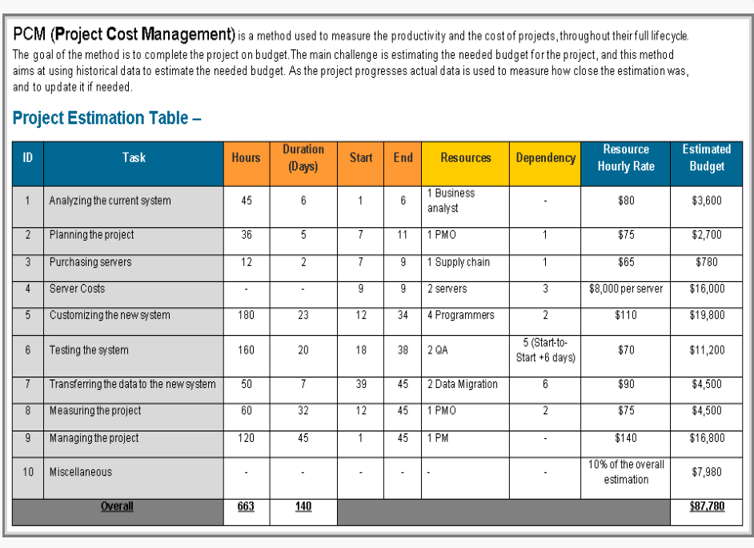
Create an initial budget based on the expected resources and expenses required to complete the project. Use the estimation section to plan costs for activities such as:
Historical project data can also help improve cost estimates and make budget planning more realistic.
IT projects may require changes to the original budget due to new requirements, scope adjustments, resource changes, or unexpected expenses. The cost change request section provides a structured way to manage proposed changes that could affect the approved project budget.
It helps project managers maintain visibility into cost changes and review their potential impact before proceeding.
ITSM projects may involve payments to software vendors, consultants, technology providers, and implementation partners. Use the payments and invoicing section to define how project-related payments and invoices will be managed. This supports a more organized approach to financial administration and helps project teams maintain clarity around payment-related activities.
Regular cost reporting helps project managers communicate the financial position of an ITSM project to stakeholders. Use the reporting plan section to establish how project cost information will be reviewed and shared.
A consistent reporting process helps stakeholders understand budget progress, review cost changes, and make timely decisions when financial issues arise.
1. Maintain Better Control Over IT Project Budgets: Plan project expenses before implementation begins and use actual cost information to review how closely the project follows its original estimates.
2. Identify Budget Differences Early: Compare estimated and actual project costs to identify differences that may require attention. Early visibility helps project managers respond before financial issues affect delivery.
3. Manage Cost Changes in a Structured Way: Document and review cost change requests to maintain better control over changes that may affect the approved project budget.
4. Improve Financial Communication: Use the reporting plan to establish a consistent approach to sharing project cost information with sponsors, finance teams, IT managers, and other stakeholders.
5. Support Better Project Decisions: Reliable cost information helps project managers assess financial requirements, prioritize spending, and make informed decisions throughout the project lifecycle.
This template is suitable for professionals responsible for planning and managing the financial aspects of IT service management projects. It can be used by:
Use this template at different stages of an ITSM project to maintain financial visibility and control.
Follow these steps to make the template part of your IT project management process.
Effective cost management helps ensure that ITSM projects stay financially controlled and aligned with organizational goals. The ITSM Project Cost Management Template provides a structured approach to estimating expenses, managing budget changes, organizing payment processes, and reporting project costs. Use this editable Word template to improve budget visibility, support informed decisions, and manage IT project finances with greater confidence.